
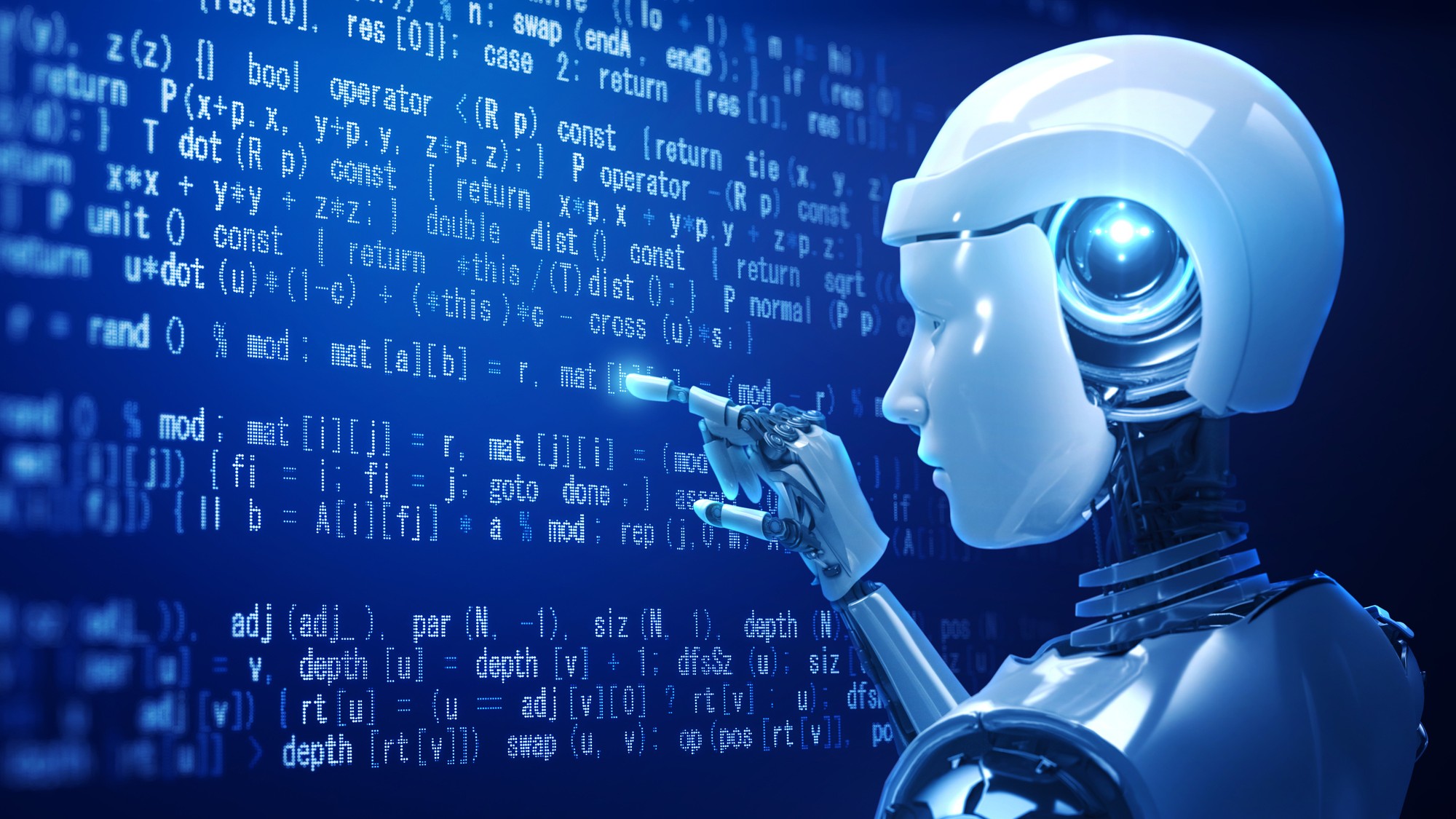
Artificial intelligence (AI) has become one of the most valuable technologies of the modern world, changing how people work, communicate, shop, learn, and solve everyday problems. What was once considered a futuristic concept is now a practical part of daily life, helping individuals and businesses complete tasks more efficiently than ever before. AI is integrated into smartphones, search engines, online shopping platforms, healthcare systems, financial services, and entertainment applications, making life more convenient while opening the door to countless new opportunities. As AI technology continues to evolve, its benefits are becoming increasingly noticeable across nearly every industry.
One of the greatest advantages of AI is its ability to automate repetitive tasks. Businesses use intelligent software to process data, answer customer inquiries, schedule appointments, and generate reports without requiring constant human supervision. This automation allows employees to focus on creative thinking, problem-solving, and strategic planning instead of spending valuable time on routine activities. Technology and business communities continue discussing these advancements, and websites like selmamarchon.com often reflect the growing interest in innovation and digital transformation.
Artificial intelligence has also made significant improvements in the creative industry. Artists, photographers, writers, and designers use AI-powered tools to generate ideas, edit content, enhance images, and improve productivity. Rather than replacing human creativity, AI serves as a valuable assistant that simplifies technical work while allowing creators to concentrate on originality and artistic expression. Creative portfolios such as timkennedypaintings.net demonstrate how traditional talent and modern technology can successfully complement one another.
Navigation and transportation have become much smarter through artificial intelligence. GPS applications analyze traffic conditions in real time, suggest faster routes, and help reduce travel delays. Delivery companies use AI to optimize logistics, while ride-sharing platforms match drivers and passengers efficiently. Digital mapping and location-based services continue improving through intelligent algorithms, and platforms like padstracker.com illustrate how technology enhances navigation and tracking solutions for everyday users.
Artificial intelligence has also transformed the entertainment industry. Streaming platforms recommend movies, television shows, and music based on individual preferences, creating highly personalized experiences for users. AI-powered editing tools simplify video production, while intelligent algorithms help content creators reach the right audiences. Entertainment-focused communities such as scorpionhollywood.com showcase how technology continues reshaping digital media and creative storytelling.
Political organizations, advocacy groups, and public campaigns increasingly rely on AI to analyze public opinion and improve communication strategies. Artificial intelligence helps process survey data, identify trends, and deliver personalized messages to different audiences. Campaign websites like castillo4congress.com demonstrate how digital technology can support public engagement while making communication more efficient and data-driven.
Artificial intelligence is also making information more accessible through digital publishing. News platforms, blogs, and online magazines use AI to recommend relevant articles, organize content, and improve user experiences. Readers receive personalized suggestions based on their interests, making it easier to discover valuable information. Publications such as themanifoldmag.net continue benefiting from technological advancements that improve content delivery while enhancing reader engagement.
The field of journalism has experienced remarkable improvements with AI-assisted research and reporting. Artificial intelligence helps journalists analyze large datasets, identify breaking trends, verify information, and summarize complex topics more efficiently. These capabilities allow reporters to spend more time investigating stories and producing high-quality content. Informational platforms like theegyptreport.com reflect the growing role of technology in modern news reporting and digital journalism.
Artificial intelligence also contributes to personal growth and mental well-being by offering intelligent productivity tools, mindfulness applications, and personalized recommendations that help users manage their daily routines. AI-powered assistants organize calendars, summarize meetings, and provide reminders that improve work-life balance. Personal blogs and reflective communities such as shardofapathy.com remind us that while technology can improve productivity, maintaining emotional well-being and meaningful human experiences remains equally important.
Local communities and regional organizations are increasingly using AI to improve communication, public services, and community engagement. Intelligent systems analyze feedback, automate notifications, and help local leaders make informed decisions based on accurate data. Community-focused resources like uptonupdates.com illustrate how technology can strengthen connections between organizations and the people they serve while improving access to timely information.
Entertainment enthusiasts also benefit from artificial intelligence in unique ways. AI-powered search engines help users discover memorable movie scenes, famous quotes, and classic film recommendations based on personal interests. Recommendation algorithms introduce viewers to films they may not have discovered otherwise, creating richer entertainment experiences. Websites such as celebritymoviequotes.com demonstrate how AI supports content discovery while making classic entertainment more accessible to audiences around the world.
Despite its many advantages, artificial intelligence also requires responsible development and thoughtful implementation. Privacy, cybersecurity, transparency, and ethical decision-making remain essential considerations as AI becomes increasingly integrated into daily life. Governments, businesses, educators, and technology developers must work together to ensure AI benefits society while protecting individual rights and maintaining public trust. When developed responsibly, artificial intelligence becomes a powerful tool that complements human intelligence rather than replacing it.
The future of AI is filled with exciting possibilities. As machine learning algorithms become more advanced, people can expect smarter healthcare systems, safer transportation, personalized education, improved business operations, and even more innovative digital experiences. Understanding the benefits of AI allows individuals and organizations to embrace technological change with confidence while preparing for a future where intelligent systems continue enhancing productivity, creativity, and quality of life. AI is no longer just an emerging technology—it is becoming an essential partner in shaping a smarter, more connected, and more efficient world for everyone.